How To Calculate Your Home's Solar Energy Potential in 2026
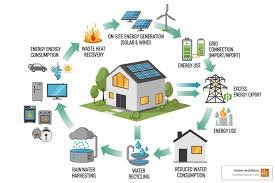
The year 2026 is rapidly approaching, bringing with it an ever-growing emphasis on sustainable living and energy independence. As energy costs continue to fluctuate and environmental concerns become more pressing, homeowners across the globe are increasingly turning their gaze upwards – towards the sun. Harnessing solar energy is not just an eco-friendly choice; it's a smart financial decision that empowers you with control over your power supply.
But how do you know if your home is a good candidate for solar? And more importantly, how much energy can it actually produce? Calculating your home's solar energy potential is the crucial first step on your journey to renewable power. This comprehensive guide will walk you through the process, equipping you with the knowledge and tools to accurately assess your solar future in 2026 and beyond. We’ll also touch upon how versatile portable power stations can complement your solar setup, offering unparalleled flexibility and backup power.
Why Go Solar? The Benefits Beyond Savings
While the financial savings on your electricity bill are a significant motivator, the advantages of installing solar panels extend far beyond your wallet:
- Environmental Stewardship: Reduce your carbon footprint and contribute to a cleaner, greener planet by using a renewable energy source.
- Energy Independence: Lessen your reliance on the grid and protect yourself from rising utility rates and power outages. With a robust portable power station, you can ensure critical appliances remain powered even when the grid goes down.
- Increased Home Value: Homes equipped with solar panels often command higher resale values and sell faster.
- Government Incentives: Even in 2026, various federal, state, and local incentives, tax credits, and rebates may still be available to offset the initial installation cost, making solar more accessible than ever.
Understanding Your Home's Energy Needs: The First Step
Before you can calculate how much solar energy your home can produce, you need to understand how much energy it consumes. This is the foundation of any effective solar plan.
How to Audit Your Current Electricity Usage
Gathering data on your historical electricity consumption is straightforward:
- Utility Bills: Your monthly electricity bills are a goldmine of information. Look for your average monthly kilowatt-hour (kWh) usage over the past 12-24 months. This will give you a clear picture of your seasonal energy demands.
- Smart Meters & Online Portals: Many utility companies offer online portals or apps that provide real-time or detailed historical usage data. This can help identify peak consumption times and energy-hungry appliances.
- Future Considerations: Thinking about purchasing an electric vehicle (EV), installing a hot tub, or upgrading to more smart home devices? Factor in these potential increases in your future energy needs. It's always better to size your solar system for slightly more than your current usage to accommodate growth.
Aim to offset 80-100% of your average annual consumption. Knowing this target will help determine the size of the solar system you need.
Key Factors Influencing Solar Potential
Several critical elements dictate how much electricity your solar panels can generate. Understanding these factors will allow for a more accurate calculation.
Roof Characteristics
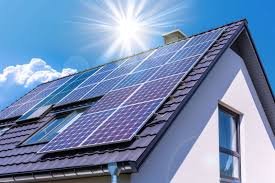
- Usable Area: Not all of your roof may be suitable for panels. Factors like chimneys, vents, skylights, and complex rooflines reduce the available space. Measure the unobstructed, south-facing (in the Northern Hemisphere) sections of your roof.
- Orientation: South-facing roofs receive the most direct sunlight throughout the day, maximizing energy production. East and west-facing roofs can still be viable, providing good morning or afternoon generation, respectively. North-facing roofs are generally not recommended for solar panels.
- Tilt Angle: The ideal tilt angle for solar panels generally matches your home's latitude. However, standard roof pitches are often sufficient. Most online calculators will account for this.
- Shading: This is arguably the most critical factor. Even partial shading from trees, neighboring buildings, or other roof structures can drastically reduce a solar panel's output, especially if it affects an entire string of panels. A professional assessment will involve a detailed shading analysis.
Local Climate & Sunlight Hours (Solar Insolation)
The amount of direct sunlight your location receives throughout the year, known as solar insolation, is paramount. Areas like Arizona or California naturally have higher solar potential than, say, Seattle or parts of New England.
- Peak Sun Hours: This metric represents the equivalent number of hours per day when solar irradiance averages 1,000 watts per square meter (W/m²). It helps standardize the calculation, as a cloudy day with 8 hours of daylight might only equate to 2-3 peak sun hours.
- Online Resources: Tools like the National Renewable Energy Laboratory's (NREL) PVWatts Calculator or Google's Project Sunroof use satellite imagery and historical weather data to provide accurate solar insolation data for specific addresses.
System Efficiency and Degradation
Modern solar panels are highly efficient, but not all sunlight is converted into electricity. Factors include:
- Panel Efficiency: The percentage of sunlight that a panel can convert into usable electricity. In 2026, standard residential panels typically range from 20-23% efficiency.
- Inverter Efficiency: Inverters convert the DC electricity from your panels into AC electricity usable by your home. They are typically 95-98% efficient.
- System Losses: Wiring, temperature, dust, and other factors can lead to small energy losses (typically 10-20%).
- Degradation: Solar panels gradually lose a tiny fraction of their efficiency each year (around 0.5% per year). This is factored into long-term performance warranties.
Tools and Methods for Calculation in 2026
Fortunately, you don't need to be a physicist to calculate your solar potential. Several accessible tools and methods can help:
Online Calculators: Your First Stop
These are excellent starting points for a rough estimate:
- PVWatts Calculator (NREL): Simply enter your address, and PVWatts uses your local climate data, system size, and tilt/azimuth to estimate monthly and annual energy production. It's a robust and widely respected tool.
- Google Project Sunroof: Provides a user-friendly interface that analyzes your roof using Google Maps data, identifying suitable areas, estimating potential savings, and connecting you with local installers.
While convenient, remember these tools rely on generalized data and satellite imagery. They can't account for every specific shade source or unique roof characteristic.
Professional Solar Assessment: The Gold Standard
For the most accurate and personalized calculation, a professional solar installer's site visit is invaluable. They will:
- Conduct a detailed on-site shading analysis using specialized tools.
- Precisely measure usable roof area and assess structural integrity.
- Review your historical energy consumption.
- Design a system tailored to your specific needs and roof layout.
- Provide an accurate projection of energy production and financial returns.
DIY Estimation (A Simplified Formula)
For a very rough estimate, you can use a simplified formula:
(Usable Roof Area in sq ft / Panel Area in sq ft) * Panel Wattage * Peak Sun Hours * System Loss Factor = Daily Watt-Hours
Then divide by 1000 to get kWh. For example:
- Assume 200 sq ft usable roof space.
- Assume a typical panel is ~18 sq ft and 400 watts.
- Assume 5 peak sun hours/day (check NREL data for your area).
- System Loss Factor: 0.75 (accounts for 25% losses from various factors).
(200 / 18) * 400 * 5 * 0.75 = 11.11 * 400 * 5 * 0.75 = 16,665 Wh = 16.6 kWh per day
This is a highly simplified example. Always consult professional tools and experts for real-world projections.
Beyond the Grid: Integrating Portable Power Stations
Even with a robust grid-tied solar system, a portable power station offers an invaluable layer of energy independence and flexibility. These devices act as powerful, rechargeable batteries that can be charged by your solar panels, wall outlets, or even your car.
- Backup Power: During grid outages, a portable power station can keep essential devices like refrigerators, medical equipment, lights, and communication devices running.
- Off-Grid Adventures: Take your solar power on the road! Perfect for RVs, camping, tailgating, or powering tools at remote job sites. Simply connect a solar panel to your portable power station for continuous, clean energy.
- Energy Optimization: In some cases, you can use a portable power station to store excess solar energy generated during peak production hours and use it during the evening, further reducing reliance on the grid.
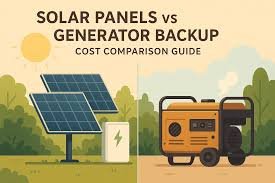
Companies like Leading solar generator manufacturers (such as Jackery, EcoFlow, Bluetti, or Anker) are at the forefront of this technology, offering a range of reliable and efficient portable power stations and solar generators that seamlessly integrate with your home solar ambitions.
Your Solar Future Awaits in 2026
Calculating your home's solar energy potential is an exciting and empowering step towards a more sustainable and independent future. By understanding your energy consumption, evaluating your roof's characteristics, leveraging online tools, and considering a professional assessment, you can gain a clear picture of what solar can do for you.
Remember, the journey to solar energy is an investment in your home, your finances, and the planet. And with the added resilience and flexibility of portable power stations, you can ensure your energy needs are met, no matter what 2026 and beyond may bring. Start your solar journey today and unlock the power of the sun!