2026 Solar Panel Installation Costs: Full Breakdown and Savings Estimator
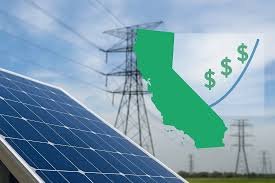
The sun is an inexhaustible source of energy, and harnessing it for your home is becoming more accessible and cost-effective than ever. As we look towards 2026, understanding the financial landscape of solar panel installation is crucial for homeowners considering this smart investment. Beyond just environmental benefits, switching to solar promises significant long-term savings and energy independence.
This comprehensive guide will break down the expected solar panel installation costs in 2026, explore the factors influencing these prices, detail the generous incentives available, and help you estimate your potential savings. Get ready to demystify solar and discover how you can power your home with the sun.
The Evolving Landscape of Solar Costs in 2026
The solar industry has seen remarkable progress over the past decade, with installation costs dropping significantly while efficiency rates climb. This trend is expected to continue into 2026, making solar power an increasingly attractive option for homeowners nationwide. However, it's important to remember that "average" costs can vary widely based on numerous factors unique to each installation.
While the initial outlay for a solar system might seem substantial, it's an investment with a clear return, especially when considering the rising cost of traditional electricity and the robust incentive programs designed to make solar affordable.
Key Factors Driving Your Solar Investment
Several variables play a critical role in determining the final price tag of your solar panel system. Understanding these will help you better interpret quotes and make informed decisions.
System Size (kW)
This is arguably the most significant factor. System size is measured in kilowatts (kW) and directly correlates with how much electricity your home consumes. A larger home with higher energy needs will require a larger, more powerful, and thus more expensive system. Most residential systems range from 5 kW to 15 kW.
Panel Technology and Efficiency
The type of solar panels you choose impacts both cost and performance. Monocrystalline panels are generally the most efficient and popular, offering sleek aesthetics but at a slightly higher price point. Polycrystalline panels are more budget-friendly but slightly less efficient. Thin-film panels are less common for residential use due to lower efficiency but can be suitable for specific applications.
Inverter Type
Inverters convert the DC electricity generated by your panels into AC electricity usable by your home. Options include string inverters (most common), micro-inverters (one per panel, optimizing individual panel performance), and power optimizers (a hybrid approach). Micro-inverters and power optimizers often come with a higher upfront cost but can offer better performance in shaded conditions and more detailed monitoring.
Installation Complexity and Labor Costs
The ease of installation can significantly affect labor costs. Factors like roof type (shingle, tile, flat), roof pitch, shading issues, and the need for electrical panel upgrades can all add to the complexity. Regional labor rates also vary, with installers in areas with a higher cost of living typically charging more.
Permitting and Interconnection Fees
Every solar installation requires permits from local authorities and approval from your utility company for grid interconnection. These fees vary by municipality and utility provider and are typically included in your overall installation cost.
Average Solar Panel Costs in 2026 (Estimates)
While exact figures will depend on the factors above, we can provide estimated ranges for solar panel installation costs in 2026. These figures represent the gross cost before any incentives or tax credits are applied.
- Per Watt Cost: Expect to see prices in the range of $2.50 to $3.50 per watt. This "cost per watt" is a common industry metric for comparison.
- Typical 6 kW System: For an average-sized home, a 6 kW system might cost between $15,000 and $21,000 before incentives.
- Larger 10 kW System: For homes with higher energy demands, a 10 kW system could range from $25,000 to $35,000 before incentives.
Remember, these are national averages. Your specific quote will reflect local market conditions, chosen equipment, and installation specifics.
Unlocking Savings: Incentives and Tax Credits
The most exciting part about going solar is the array of financial incentives designed to make it more affordable. These programs can drastically reduce your net cost and accelerate your payback period.
Federal Solar Tax Credit (ITC)
The Residential Clean Energy Credit, commonly known as the federal solar tax credit (ITC), is the most significant incentive. For systems installed through 2032, homeowners can claim a credit equal to 30% of the cost of their solar system. This is a dollar-for-dollar reduction in your federal income tax liability, not just a deduction.
State and Local Programs
Many states and local municipalities offer additional incentives, which can include:
- Rebates: Direct payments or discounts on your system.
- Solar Renewable Energy Credits (SRECs): You can earn and sell credits for the clean electricity your system generates.
- Property Tax Exemptions: Solar panels often increase home value, but many areas exempt this increase from property tax assessments.
- Sales Tax Exemptions: Some states waive sales tax on solar equipment.
Net Metering
Net metering policies allow you to send excess electricity generated by your solar panels back to the grid. Your utility company then credits your account for this electricity, effectively reducing your monthly bill. This mechanism ensures you get value for every kilowatt-hour your system produces.
Beyond the Grid: Enhancing Resilience with Portable Power Stations
While a grid-tied solar system significantly reduces your electricity bill, it typically won't power your home during a grid outage unless paired with a costly whole-home battery backup system. This is where portable power stations shine as a flexible and increasingly popular solution.
Portable power stations offer a practical, more affordable way to enhance your energy independence and resilience. They can be charged by your solar panels (even small, portable ones), providing essential backup power for critical devices during blackouts. Imagine keeping your refrigerator running, charging your phones, or powering medical equipment when the grid goes down – all without the noise and fumes of a traditional gas generator.

These versatile units are also perfect for off-grid adventures, RV trips, camping, or remote work setups, easily integrating with your existing solar setup or as a standalone solution for specific needs. Brands like Leading solar generator manufacturers (such as Jackery, EcoFlow, Bluetti, or Anker) offer a range of reliable, high-capacity portable power stations that can be a game-changer for emergency preparedness and outdoor living, providing a tangible pathway to immediate energy independence that complements your larger home solar investment.
Estimating Your Long-Term Savings and ROI
Investing in solar is a long-term play that offers substantial financial benefits over its 25+ year lifespan.
- Reduced Electricity Bills: This is the most immediate and tangible saving. Many homeowners can significantly reduce or even eliminate their monthly electricity bills.
- Increased Home Value: Studies consistently show that homes with solar panels sell faster and for more money. The National Renewable Energy Laboratory (NREL) found that solar adds an average of $20,000 to a home's value.
- Energy Price Stability: You lock in your electricity costs for decades, protecting yourself from unpredictable utility rate hikes.
- Payback Period: With incentives, many solar systems have a payback period of 6-10 years, meaning after that time, your electricity is essentially free.
Choosing the Right Solar Partner
Selecting a reputable and experienced solar installer is paramount to a successful and cost-effective installation. Look for companies with strong local reputations, positive customer reviews, and relevant certifications. Always get multiple quotes to compare pricing, equipment, warranties, and service offerings. A good installer will walk you through the entire process, from design and permitting to installation and activation, ensuring you maximize your savings and system performance.
Ready to Shine?
The outlook for solar panel installation in 2026 is brighter than ever. With decreasing costs, powerful incentives, and the undeniable benefits of energy independence and environmental stewardship, there's never been a better time to consider going solar. Whether you're aiming for complete grid independence or simply looking to slash your electricity bills, solar offers a path to a more sustainable and financially secure future.
Ready to explore your personalized solar savings? Use our Solar Savings Estimator today to get a clearer picture of what solar can do for your home and wallet!